
Are Residential Proxies Legal? The Shocking Truth You Must Know
The Grey Area: What You Need to Know
As companies increasingly rely on web data scraping, price comparison engines, and competitive intelligence bots, the demand for **residential proxies** has surged. However, a major question continues to loom over developers and compliance officers alike: Is it actually legal to use residential proxies?
The quick answer is: Yes, residential proxies are completely legal. However, the legality depends heavily on how the proxy network acquires its IP addresses and what you use those proxies for. Let's break down the legal and ethical reality.
How Proxy Providers Get Residential IPs
Unlike datacenter IPs which are rented directly from hosting facilities, residential proxies belong to real internet subscribers. The ethical procurement of these IPs determines their legality:
Ethical Acquisition (Turbo Proxy Method)
Users voluntarily opt-in to share their idle internet bandwidth. This is done through transparent SDK integrations in applications where users are fully informed, rewarded, or compensated (e.g., ad-free app access).
Unethical / Illegal Acquisition (Botnets)
Malware and botnets infect home routers and smart devices, routing traffic through them without the owners' consent. Using networks built on compromised devices is highly illegal.
Best Practices for Compliance
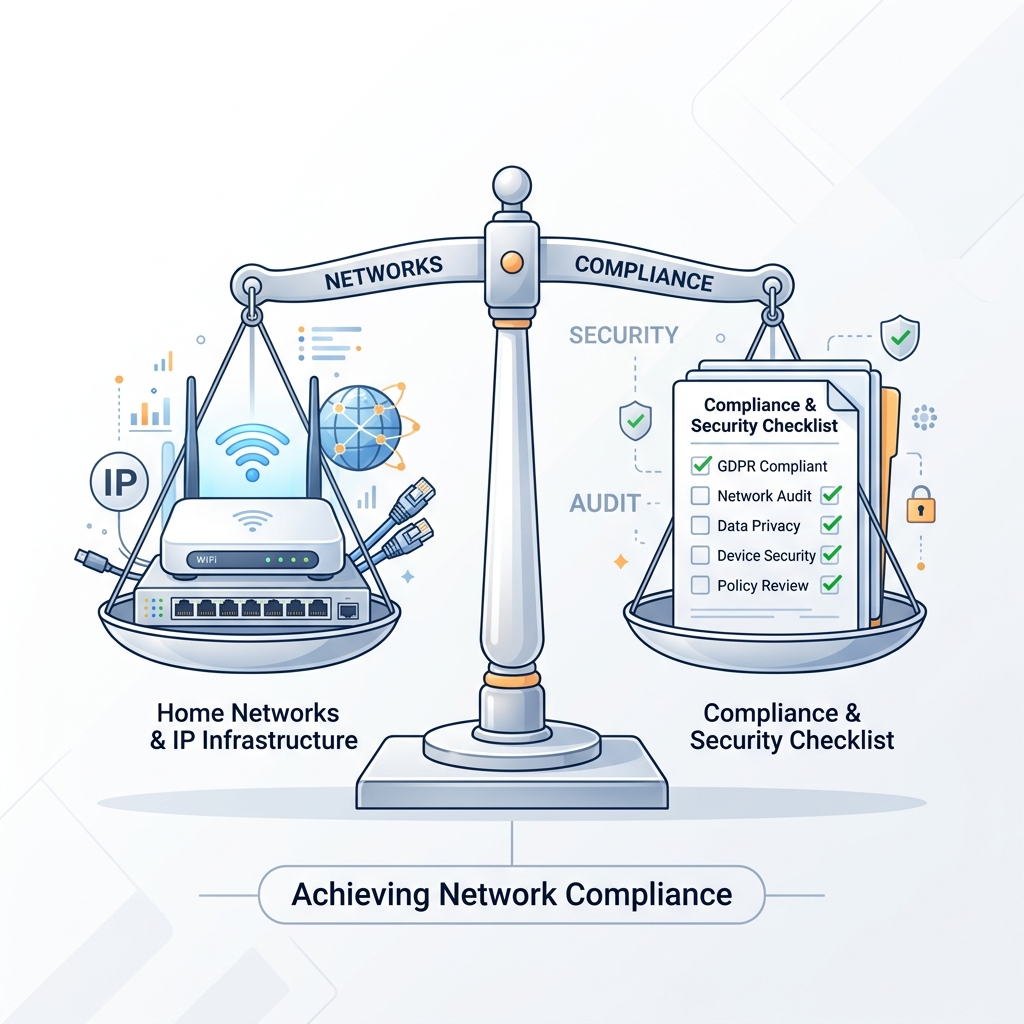
To ensure your web data extraction campaigns remain 100% compliant with local and international regulations (such as GDPR, CCPA, and the Computer Fraud and Abuse Act - CFAA):
- Scrape Public Data Only: Publicly accessible data (like price comparison listings, public directory entries) has different legal protections than private customer data behind user logins.
- Respect Terms of Service: While scraping public data is generally legal, avoid abusing login portals, bypassing paywalls, or overloading servers.
- Avoid Copying Copyrighted Material: Retrieve data for analytics, pricing models, and index mapping rather than directly copying and publishing database content.
- Respect Robots.txt: Check for and follow robots exclusion files when crawling sites.
Why Turbo Proxy Leads in Compliance
At Turbo Proxy, we believe in complete transparency. Our residential proxy pool is fully consented, legally sourced, and pre-screened to ensure maximum reliability and safety for our clients.
We strictly monitor user actions on our platform to prevent fraudulent activities, protecting both our network participants and target websites.
Rent Legally-Compliant Residential Proxies
Get high-speed, ethically sourced residential proxies with 99.9% uptime and zero risk of IP blacklisting.